US Dollar Rebounds After Trump's Hardline Remarks on Iran
The US dollar staged a fresh rebound after recent remarks by Donald Trump reignited global market concerns. The shift in tone contrasted sharply with earlier optimism at the start of the week, when he suggested the conflict could end in the near term.
The US Dollar Index (DXY) climbed back above the key 100.00 threshold on Thursday (April 2). The move was driven by escalating tensions in West Asia following Trump's more forceful stance on the ongoing conflict with Iran.
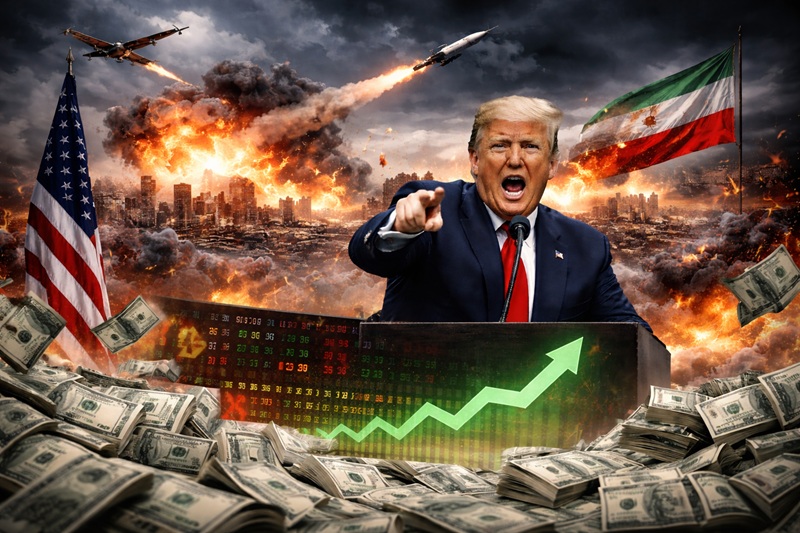
In his latest statement, Trump signaled plans to intensify military operations against Iran in the near future. He also did not provide clarity regarding the opening of the blockade in the Strait of Hormuz or the potential end of the conflict.
Iran responded with equally strong rhetoric. The country's military warned it could launch retaliatory strikes described as broader and more destructive against US interests and its allies. These developments significantly heightened uncertainty across global markets.
Earlier in the week, markets had briefly priced in the possibility of peace. The sudden reversal in sentiment triggered sharp movements across commodities and foreign exchange markets, with brent crude oil prices surged roughly 9% intraday, jumping from around $101.70 to as high as $112.60.
In currency markets, the stronger US dollar weighed on most major currencies. The GBP/USD, AUD/USD, and NZD/USD pairs posted the steepest declines, each falling by more than 0.7%. Meanwhile, EUR/USD slipped about 0.6%, while USD/JPY advanced over 0.5% to re-approach the psychological 160.00 level. The Dollar became the favorite choice for market participants during the escalation of the conflict due to its role as a safe haven currency and the US's status as an oil-producing country.
According to Carol Kong, Trump's remarks have yet to provide the clarity markets are seeking. She noted that market participants are beginning to realize that the conflict may continue to escalate before any meaningful de-escalation occurs.
Kong also projected that the US dollar could strengthen further, driven by concerns that prolonged conflict may significantly slow global economic growth.