Sterling Slides as Pressure Mounts on UK Prime Minister Starmer
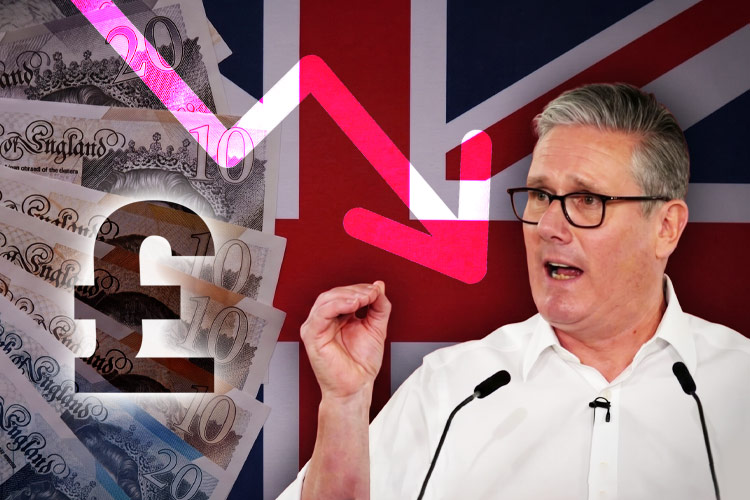
The British pound weakened sharply as mounting political pressure on UK Prime Minister Keir Starmer unsettled investors and fueled concerns over the stability of the government.
GBP/USD fell around 0.7% on Tuesday (May 12), with Sterling also declining against several other major currencies. The selloff followed growing calls from within the ruling Labour Party for Starmer to step down.
Pressure on Starmer increased after the Labour Party recorded disappointing results in the local elections held on May 7, 2026. The Reform Party managed to lead with an estimated vote share of around 26%, while the Labour Party received 17%, followed by the Liberal Democrats at 16%.
Markets had initially expected Starmer to retain his position in the near term, allowing Sterling to remain relatively stable after the first election results emerged. However, the latest political developments have fueled speculation that his premiership could end sooner than previously anticipated.
Several British media outlets reported that 79 Labour members of parliament openly urged Starmer to resign on Monday evening. Six ministerial aides were also said to have stepped down in support of the movement. Furthermore, three cabinet members reportedly questioned whether Starmer remained fit to lead the government following the party's poor local election showing.
This political situation quickly weighed on Sterling. GBP/USD briefly slipped toward 1.3500, while EUR/GBP climbed around 0.4% to near 0.8695. A sharper reaction was seen in the UK bond market, where yields on 10-year government bonds surged to their highest level since July 2008.
Investors are increasingly concerned that a leadership change could alter the direction of British economic policy. Several potential successors to Starmer are viewed as supporting more socialist-leaning economic policies and favoring more aggressive fiscal expansion. Analysts warn that such policies could increase government debt and add inflationary pressure at a time when the UK economy is already facing stagflation risks.
Markets are now awaiting an official response from Starmer, as well as statements from figures considered potential contenders to replace him. Until greater political clarity emerges, gains in Sterling are expected to remain limited.