Dollar Falls as Prospects for Second US–Iran Talks Emerge
Fresh developments in the standoff between the United States and Iran triggered renewed volatility across currency markets on Tuesday, with the US dollar retreating as investors reassessed geopolitical risks.
The US Dollar Index (DXY) fell more than 0.3% to an intraday low on Tuesday (April 14). Pressure on the greenback intensified as market participants questioned the currency’s resilience amid shifting dynamics involving the United States, Israel, and Iran. Nevertheless, some investors maintained a cautious stance, wary that conditions could deteriorate quickly.
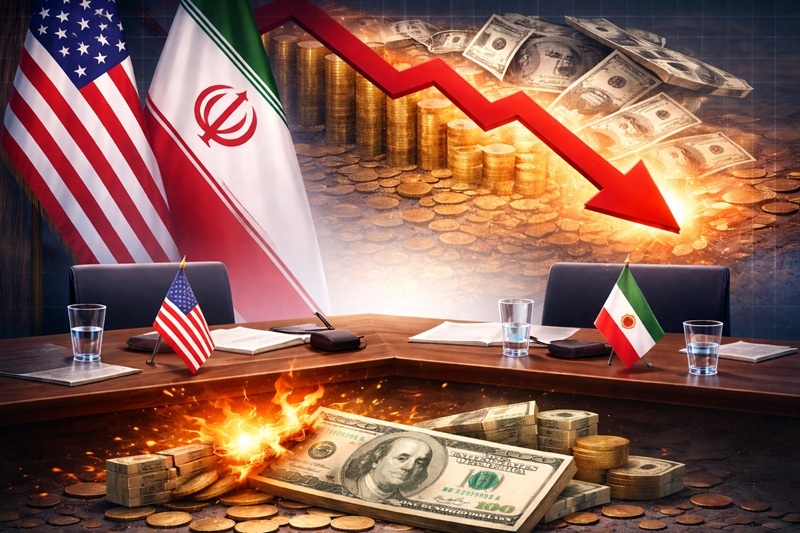
A report by The New York Times signaled the possibility of renewed negotiations between Washington and Tehran, even after earlier talks failed to produce a breakthrough. In a similar vein, Reuters indicated that both sides may resume dialogue in Islamabad soon.
Meanwhile, efforts by the United States to restrict access through the Strait of Hormuz appear less effective than initially anticipated. According to a BBC report, several vessels affiliated with Iran—as well as non-Iranian ships—have continued to transit the strategic waterway. Among them was the Chinese tanker Rich Starry, which had previously been placed under U.S. sanctions.
This series of developments is interpreted as a sign of easing geopolitical tensions. As a result, Brent crude oil fell back below 100 US dollars per barrel, while the US dollar weakened against various major currencies. The EUR/USD pair even surged to its highest level since February 27, surpassing 1.1800.
Diverging Views on the Dollar's Trajectory
Kit Juckes, head of forex strategy and research at Société Générale, believes that the potential for de-escalation of the conflict could further strengthen the euro. He noted that EUR/USD could potentially break through the 1.20 level if positive sentiment continues to develop, especially if the Strait of Hormuz returns to normal operations.
However, not all analysts agree with this optimistic view. Some parties continue to remind that the situation in the Middle East remains vulnerable. In a weekly report, MUFG emphasized that a short strategy on EUR/USD is still relevant, given the risk of conflict escalation that could rise again at any time. The current ceasefire is also deemed not strong enough to guarantee long-term stability.