The History of Forex Trading
The history of forex trading stretches back to ancient civilization. From the era of the gold standard to the rise of online currency trading, the evolution of the foreign exchange market reflects broader developments in global commerce, finance, and technology.
Until the late 1990s, participation in the forex market was largely confined to a narrow segment of society. Currency trading was dominated by wealthy individuals and major institutions, including central banks, private and state-owned financial institutions, and multinational corporations such as Apple or Toyota. These entities engaged in foreign exchange transactions for a variety of purposes, ranging from facilitating international trade and servicing foreign-denominated debt to hedging currency exposure and managing investment portfolios. Entry barriers were high, as the capital requirements were substantial, effectively excluding the general public from participating in forex trading.
This landscape began to change following the widespread adoption of the internet in the late 1990s. Technological innovation enabled the forex market to gradually open up to a much broader audience — from entrepreneurs and professionals to retail traders of all backgrounds. Brokerage firms started developing platforms and account structures designed specifically for retail participation, allowing individuals to access the currency market at a much smaller scale. As a result, forex trading evolved from an activity reserved for banks and money changers into one that could be accessed by virtually anyone, from seasoned investors to individuals trading from their personal devices.
This transformation marked a significant turning point. To better understand how the forex market reached this stage, it is essential to examine its historical foundations.
The End of Barter and the Beginning of Currency Exchange
In the earliest stages of human civilization, economic exchange was conducted through barter. Individuals traded goods directly — for example, exchanging livestock for agricultural produce — provided that both parties agreed on the relative value of the items involved. Over time, however, the limitations of the barter system became increasingly apparent. The primary challenge was the so-called “double coincidence of wants,” whereby a transaction could only occur if each party possessed exactly what the other desired.
To address these inefficiencies, societies began developing standardized mediums of exchange. Various objects were used as forms of money, including shells, beads, rare stones, and precious metals. Importantly, these early currencies differed across regions, reflecting what was considered valuable, socially accepted, durable, and portable within each society.
As trade expanded beyond local boundaries, the absence of a universally accepted medium of exchange created further complications. Merchants engaging in interregional or intercontinental trade required a standard that transcended local customs. In many parts of the world, precious metals — particularly silver and gold — emerged as widely accepted stores of value.
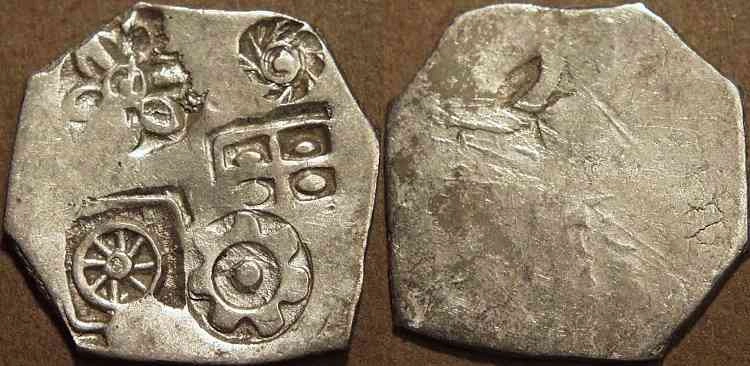
During this period, kingdoms and empires began minting coins, formally defining their value based on the quantity and purity of precious metal they contained. Currency exchange therefore became a matter of assessing and comparing metal content. This process effectively laid the groundwork for foreign exchange activity in the ancient world.
Historical records indicate that currency exchange was already a regulated activity in antiquity. In Byzantium, around the 4th century BC, the state reportedly held a monopoly over money exchange. Papyrus documents from ancient Egypt also provide evidence of organized currency exchange practices. Similar records exist across regions including Australia, Indonesia, China, India, and Europe, underscoring that currency exchange was a widespread and long-established economic function rather than a modern invention.
The History of Modern Forex Trading
Although currency exchange has existed for thousands of years, the modern forex market, as it operates today, began to take shape in the aftermath of World War II.
The widespread economic disruption caused by the war prompted Allied nations to seek a more stable and coordinated global monetary framework. This effort culminated in the creation of the Bretton Woods System, which aimed to restore order to international finance and promote economic stability.
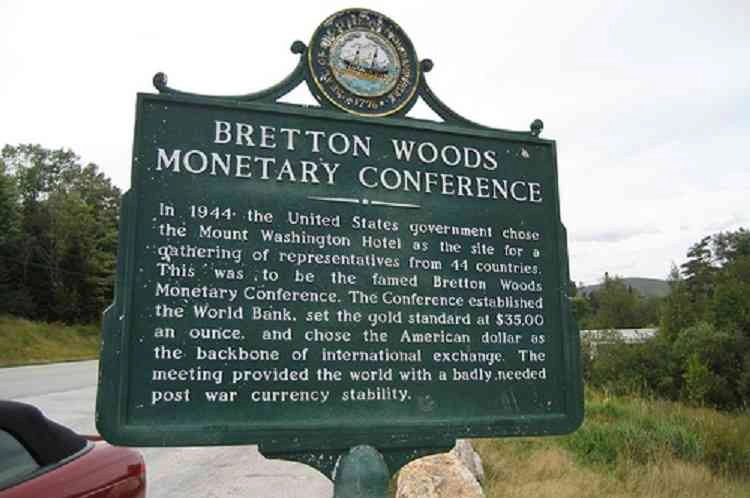
Established in Bretton Woods, New Hampshire, in 1944, the system introduced the first formal set of rules governing international monetary relations. At the time, the United States held approximately two-thirds of the world’s gold reserves, giving it a dominant position in shaping the new framework. Under Bretton Woods, participating countries agreed to peg their currencies to the US dollar, which in turn was convertible to gold at a fixed rate. This arrangement effectively made the dollar the central anchor of the global monetary system.
However, the system proved unsustainable over time. On August 15, 1971, the United States unilaterally suspended the convertibility of the dollar into gold, bringing the Bretton Woods System to an end. From that moment, the value of the US dollar was no longer backed by gold reserves but instead rested on the credibility of the US government and its economy. Paradoxically, this shift reinforced the dollar’s status as the world’s primary reserve currency.
The collapse of Bretton Woods ushered in the era of floating exchange rates, where currency values were no longer fixed but determined by market forces — primarily supply and demand. This transition marked a defining milestone in the history of forex trading.
In the years that followed, foreign exchange transactions were conducted predominantly within the banking sector. Governments and corporations relied on commercial banks as intermediaries, often executing trades via telephone at quoted rates. These activities formed the basis of the interbank market — a decentralized, over-the-counter network in which currencies were traded continuously and exchange rates fluctuated in response to global economic conditions.
The Era of Online Forex Trading
Economic globalization and technological progress during the 1980s and 1990s set the stage for the next major transformation in forex trading. Advances in communication technology and the expansion of the internet fundamentally altered how currency transactions were executed, making real-time trading accessible beyond the traditional banking system.
Telephone-based transactions were gradually replaced by electronic execution, and trading platforms were developed to provide live price feeds and instant order placement. This democratization of access allowed retail participants to observe currency movements and engage directly in the market for the first time.
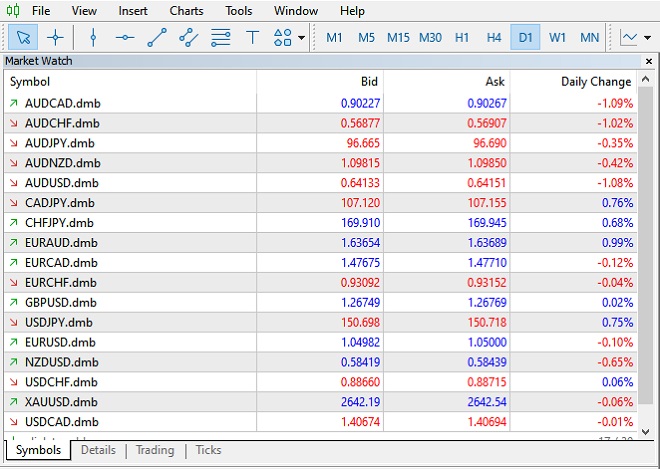
Technology became a critical catalyst for growth, driving forex trading volumes to record levels. By 2013, daily turnover in the global forex market had reached approximately USD 5.3 trillion, cementing its position as the largest and most liquid financial market in the world. During this period, traders increasingly focused on identifying the most actively traded currency pairs and capitalizing on price volatility.
As technological innovation continues to accelerate, forex trading has grown more complex and sophisticated. The rise of copy trading and social trading has enabled retail traders to follow and replicate the strategies of experienced professionals. Meanwhile, automated trading systems, including algorithmic, robot, and AI-driven strategies, have streamlined market analysis and execution by relying on predefined rules and advanced computational models.
Looking ahead, the forex market is expected to become even more closely integrated with emerging technologies such as blockchain, big data analytics, and machine learning. These developments are likely to reshape market structure, enhance efficiency, and create new opportunities, while also intensifying competition within the global currency marketplace.
So how can “ordinary people” participate in and potentially profit from currency exchange today? Modern forex brokers now offer trading services specifically designed for retail clients. Unlike the interbank market, where standard transaction sizes typically start at USD 100,000 per lot, retail platforms allow individuals to trade with significantly smaller capital — sometimes just tens or hundreds of dollars.
Moreover, in today’s mobile-first environment, forex trading can be conducted via laptops, tablets, Android devices, or iPhones. With access to electricity and a stable internet connection, individuals can participate in the global forex market virtually anytime and anywhere — provided they possess the necessary knowledge and skills to trade effectively.